
Learn
Understand the system that runs everything else
Start here to understand the autonomic nervous system, why standard tests can miss what you feel, and what you can do about it.
Explore the library
Select a pillar to begin your journey.
Getting oriented
What the autonomic nervous system is and why it matters.
Why tests look normal
How regulation problems hide from standard labs and imaging.
Symptoms explained
Fatigue, dizziness, brain fog, gut issues, and more, through the autonomic lens.
Conditions reframed
How complex conditions share an autonomic thread.
Measurement and care
How autonomic function is measured and how regulation can be supported.
Pillar 01
Getting oriented
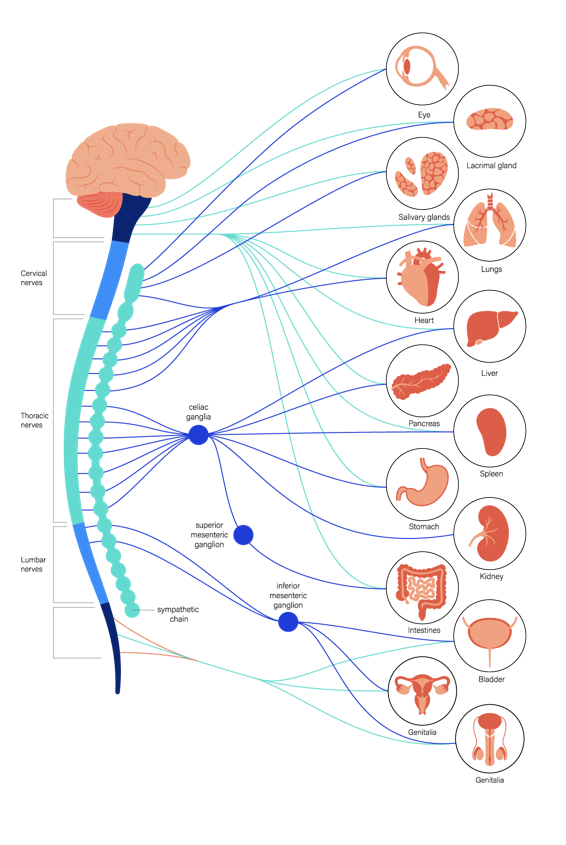
The basics of the autonomic nervous system. Understand how your body processes stress and maintains balance.
Autonomic Health 101: The Body’s Operating System
For most of human history, medicine revolved around a single idea: balance. Ancient Greek physicians spoke of balance among the four humors. Ayurvedic medicine described health through harmony between doshas. Traditional Chinese medicine focused on the smooth flow of yin and yang. Different cultures, same intuition. When the body is in balance, we thrive. When it is not, disease follows. Modern medicine eventually gave this idea a scientific name: homeostasis. Homeostasis refers to the body’s
Why Autonomic Health Is Following The Path Of Gut And Metabolic Health
A decade ago, most people had never heard the term metabolic health. Obesity was framed as a willpower problem. Fatigue was brushed off as stress. Blood sugar issues were addressed only after diabetes appeared. Gut health was niche, alternative, or dismissed entirely. Then something changed. New tools emerged. Continuous glucose monitors made blood sugar dynamics visible. Microbiome research revealed that digestion was inseparable from immunity, mood, and inflammation. Patterns that had long
Sympathetic vs. Parasympathetic: Why “Stress” is the Wrong Explanation
Most people are told the same thing when they feel unwell but tests come back normal: “You’re probably just stressed.” While stress can absolutely affect health, this explanation is often incomplete and misleading. It collapses a complex physiological control system into a vague psychological label, and in doing so, it obscures what is actually happening inside the body. To understand why, we need to look more closely at how the autonomic nervous system really works. Two systems, one goal:

Pillar 02
Why tests look normal
Understanding dysautonomia versus disease. Why an MRI can look perfect even when you feel terrible.
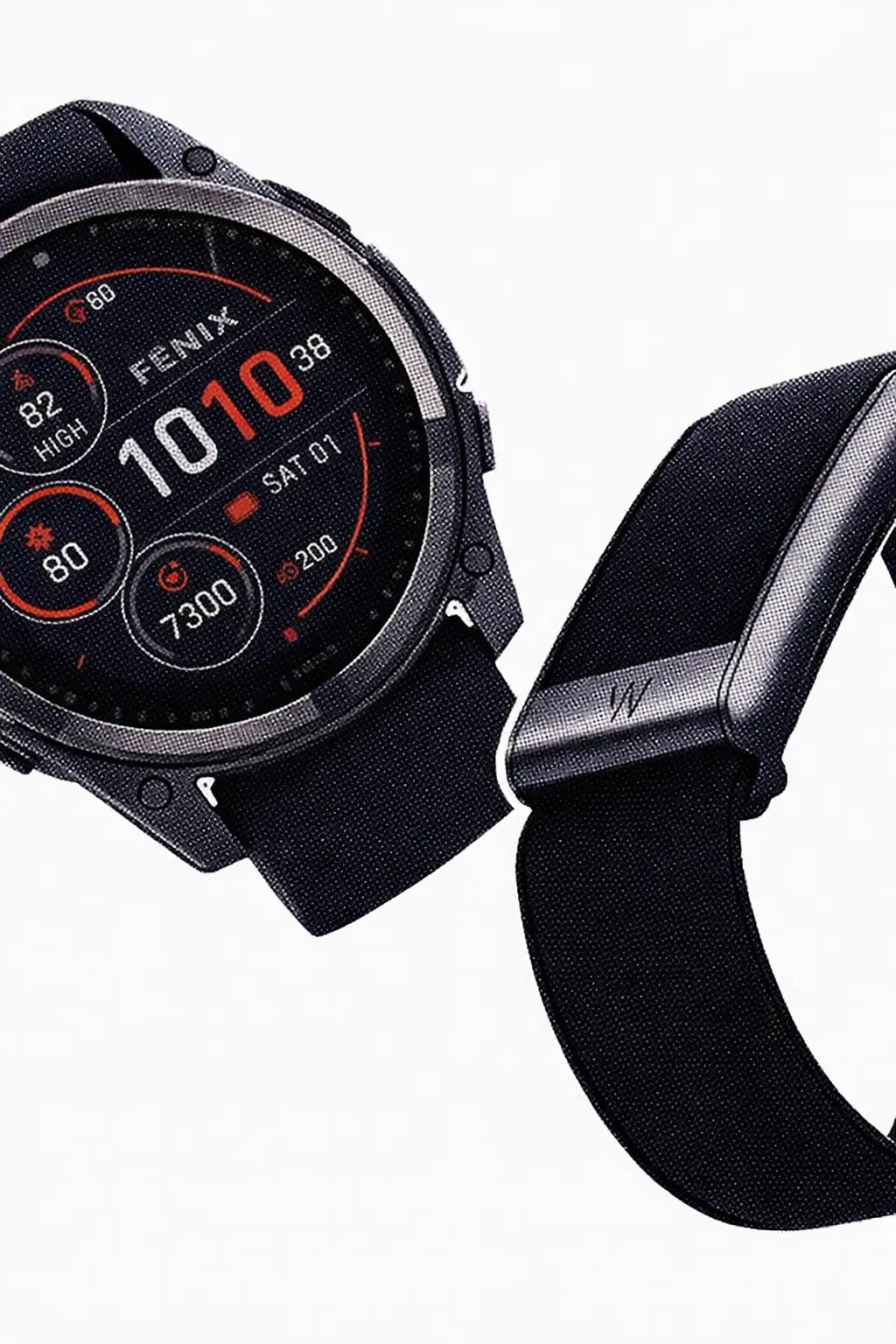
The Power of Wearables: What Your Device Can (and Can’t) Tell You About Autonomic Health
Wearable devices have changed how people engage with their health. For the first time, millions of people can see their heart rate, sleep patterns, activity levels, and recovery trends in near real time. This visibility has sparked an important shift: people are no longer satisfied with vague explanations when they feel unwell. They want data. But not all data is equally informative. When it comes to autonomic health, understanding what wearables are actually measuring—and what they fundament
Why So Many Chronic Conditions Don’t Show Up On Blood Tests
If you have ever been told “your labs look normal” while continuing to feel exhausted, foggy, dizzy, anxious, or unwell, you are not alone. This is one of the most frustrating experiences in modern healthcare. Symptoms are real. Daily life is disrupted. Yet blood work, imaging, and standard cardiac tests often come back within range. No diagnosis. No explanation. Often, no next step. To understand why this happens so frequently, it helps to look at what modern medicine is designed to detect an
Why Heart Rate Variability Is Not Enough
Heart rate variability, often shortened to HRV, has become one of the most popular health metrics of the past decade. It appears in wearable dashboards, recovery scores, readiness metrics, and wellness apps. Many people now track HRV as a proxy for stress, fitness, and nervous system health. HRV has value. But it also has important limits. Understanding those limits explains why many people track HRV diligently yet still feel unwell, confused, or stuck without clear answers. What HRV actual

Pillar 03
Symptoms explained
Decoding fatigue, dizziness, and anxiety. The science behind your most confusing symptoms.
Anxiety With Physical Symptoms: A Nervous System View
Many people experience episodes that look and feel exactly like a panic attack. Their heart races, their hands shake, they feel short of breath, and a wave of impending doom washes over them. Often, they are told these are symptoms of anxiety or a panic disorder. They may be prescribed therapy or anti-anxiety medication. But for many, something feels off about this diagnosis. These “attacks” often happen when they are perfectly calm, during a pleasant conversation, or even while just standing
Fatigue and Exercise Intolerance Through the Nervous System
For most people, fatigue is the result of a long day, a poor night’s sleep, or physical exertion. You rest, and you recover. Your energy returns. But for those with autonomic dysfunction, fatigue is something else entirely. It is persistent, heavy, and often completely disconnected from how much rest you’ve had. Even mild activities—like taking a walk or doing a few chores—can trigger a "crash" that lasts for days. This is often labeled as chronic fatigue or exercise intolerance. But when you
Dizziness, Tachycardia, and Orthostatic Symptoms Explained
If you feel lightheaded when you stand up, find it difficult to stand in one spot for long, or notice your heart racing for no apparent reason, you are experiencing orthostatic symptoms. For many, these symptoms are temporary or mild. But for some, they are persistent and life-altering, turning everyday tasks like showering or grocery shopping into major challenges. While these symptoms are often dismissed as dehydration or "low blood sugar," they are frequently the visible signs of a deeper s
Gut Motility, Nausea, and the Autonomic Connection
The gut is often called the "second brain." This is because it contains an entire network of neurons known as the enteric nervous system. But even the second brain has a boss: the autonomic nervous system. If you experience chronic nausea, bloating, unexplained abdominal pain, or significant changes in digestion that standard GI tests fail to explain, the issue may not be in your gut. It may be in your regulation. The Rest-and-Digest failure Digestion is a highly coordinated process. Your bo
Brain Fog, Sleep Disruption, and Autonomic Dysregulation
“Brain fog” is one of the most common, yet most misunderstood, symptoms in modern medicine. Patients describe it as feeling like their head is filled with cotton wool. They struggle to find words, lose their train of thought mid-sentence, find multitasking impossible, and feel a profound mental exhaustion that doesn’t clear with rest. For years, this was dismissed as stress, depression, or simply “aging.” But when brain fog appears alongside physical symptoms like dizziness, fatigue, or heart

Pillar 04
Conditions reframed
POTS, Long COVID, and chronic illness. A new framework for understanding systemic dysregulation.
Women’s Health, Hormones, and the Nervous System: What’s Been Overlooked
Women are more likely than men to experience chronic symptoms that defy easy diagnosis. Fatigue, dizziness, heart palpitations, gut issues, sleep disruption, anxiety-like sensations, temperature intolerance, and brain fog are commonly reported. Yet women are also more likely to be told that these symptoms are hormonal, stress-related, or psychological, especially when standard tests appear normal. Increasingly, evidence points to a different explanation. Many of these symptoms reflect autonomi
Diabetes, Inflammation, and the Nervous System: The Missing Link
Diabetes is usually framed as a metabolic disease. Blood sugar rises. Insulin stops working efficiently. Over time, complications appear. Treatment focuses on glucose control, medications, and lifestyle changes. This model has saved lives. But it leaves an important question unanswered. Why do so many people develop metabolic dysfunction in the first place, even when traditional risk factors don’t fully explain it? Increasingly, research points upstream, to the autonomic nervous system. Me
Long COVID and the Nervous System: Why Symptoms Persist When Tests Look Normal
For many people, COVID did not end with the initial infection. Weeks or months later, symptoms linger. Fatigue that does not improve with rest. Brain fog that makes simple tasks feel overwhelming. Dizziness when standing. Heart palpitations. Shortness of breath. Sleep disturbances. Sensitivity to exertion. For many, medical testing brings little clarity. Blood work is normal. Imaging is unremarkable. Cardiac and pulmonary tests often fail to explain the severity of symptoms. This has left mil
Pillar 05
Measurement and care
Objective testing and lifestyle interventions. Moving from management to recovery.
Continuous Personalization: Medicine Built on Individual Physiology
Most medical decisions are based on population averages. Clinical guidelines come from large cohort studies. Biomarker reference ranges represent statistical distributions across populations. Treatments are standardized for broad patient groups. This approach has produced enormous medical progress. But it has an inherent limitation. Population averages cannot fully represent individual physiology. Two patients can fall within identical laboratory ranges while their regulatory systems behave
Root Cause Medicine: Treating the System Behind the Symptoms
Once disease appears, modern medicine typically treats the symptoms. Blood pressure medications lower blood pressure. Anti-inflammatory drugs suppress inflammatory markers. Sleep medications induce sedation. Anti-anxiety medications dampen stress responses. These treatments can be valuable and often life-saving. But they usually target outputs of a dysregulated system, not the system itself. When the underlying regulatory system remains unstable, symptoms often return or reappear in other or
Upstream Detection: Finding Disease Before It Begins
Most medicine detects disease late. Blood tests measure downstream biomarkers. Imaging detects organ damage. Clinical symptoms appear only after the body has already been under physiological stress for years. By the time most diseases are diagnosed, the underlying regulatory dysfunction has often been progressing silently. The problem is not that modern diagnostics are inaccurate. The problem is that they measure the consequences of disease, not the regulatory systems that maintain physiolog
Why Testing The Nervous System Changes Everything
For decades, healthcare has focused on treating what is already broken. Blood tests flag abnormalities. Imaging reveals damage. Diagnoses are made once symptoms become impossible to ignore. By the time answers arrive, the body has often been compensating and struggling for years. But what if we could see problems earlier, before systems fail and disease takes hold? This is the promise of autonomic testing. The problem with waiting for disease Most chronic conditions do not appear overnight